
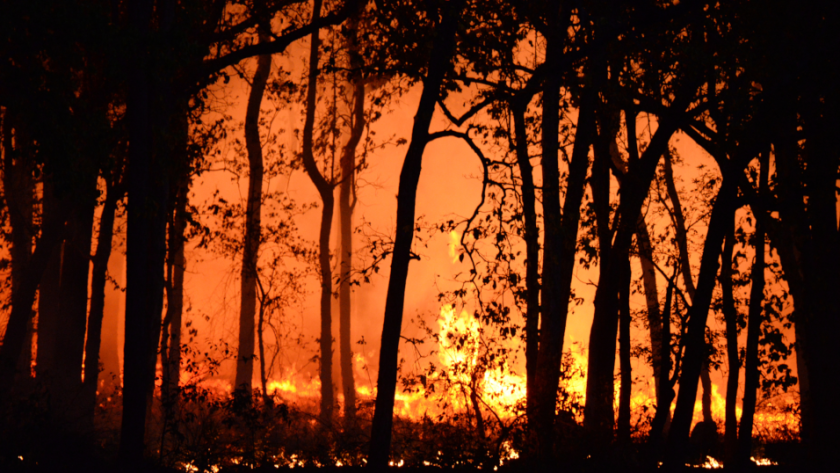
The health of the world’s forests continues to deteriorate, and 2024 marked a devastating milestone. According to a report published by the Global Forest Watch (GFW), powered by the World Resources Institute (WRI), tropical forests were destroyed at the fastest recorded rate since data collection began, triggering urgent calls for global climate action.
Let’s break down the key findings and what they mean for our planet.
What Happened in 2024?
- In 2024, the world lost 10.2 million acres (over 4.1 million hectares) of primary tropical forest – that’s an area roughly the size of Switzerland.
- The destruction of these carbon-rich ecosystems led to 2.4 gigatons of carbon dioxide emissions, equivalent to the annual emissions of India.
- This represents a 9% increase in tropical forest loss compared to 2022, despite global commitments to end deforestation by 2030.
Source: Global Forest Watch – WRI Report, May 2025
Where Is This Happening?
The forest loss is concentrated in key regions of the Global South, with Brazil and Bolivia facing particularly alarming figures:
- Brazil: Accounted for 43% of tropical forest loss in 2024. Despite reductions in deforestation in the Brazilian Amazon (down 39%), fires surged in other biomes like the Cerrado and Pantanal.
- Bolivia: Ranked second globally in primary forest loss for the third year in a row.
- Congo Basin: Saw a slight decline in loss, but degradation and illegal logging remain major threats.
- Colombia and Peru: Continue to face high rates of deforestation due to cattle ranching, agriculture, and illegal mining.
What’s Fueling This Crisis?
Multiple drivers contribute to the loss of forest cover:
- Fires: Widespread and intense, especially during drought years and El Niño cycles.
- Agriculture: Expansion of soy, cattle, and palm oil continues to push into forest frontiers.
- Logging: Both legal and illegal logging for timber and infrastructure development.
- Climate change: Drier conditions and heatwaves make forests more vulnerable to fire and degradation.
These causes are interconnected. For example, climate-induced droughts make forests drier, which makes them more susceptible to fire, which in turn releases more carbon and accelerates global warming — a vicious cycle.
Forests in Danger, Planet at Risk
Forests are among the most powerful carbon sinks on Earth. They absorb about 30% of the CO₂ released by human activities annually. But:
- When forests burn or are cut down, that carbon is released back into the atmosphere.
- This leads to more warming, which increases the frequency and severity of fires.
- It’s a dangerous feedback loop that threatens our climate goals and the health of future generations.
What Can We Do?
Although the data is concerning, the report also shows that positive change is possible. Countries like Brazil and Indonesia have proven that strong policies and enforcement can reduce deforestation.
Here’s how we can take action:
- 🗳 Demand government policies that protect primary forests and Indigenous territories.
- 🌍 Support organizations leading forest restoration and conservation.
- 🛍️ Choose products with sustainable forestry certifications (FSC, PEFC).
- 📣 Raise awareness — share reports, data, and stories to keep forests in the spotlight.
Final Thoughts
Deforestation is not just a local or regional issue. It is a global climate emergency. Forests regulate weather patterns, protect biodiversity, and store carbon. As citizens, professionals, and activists, we must stay informed and take collective action.
If we want a livable planet, we must stop deforestation now — not in 2030, not in a decade, but today.
🔗 Sources:
- Global Forest Watch (WRI). Primary forest loss 2024 report
- Copernicus Atmosphere Monitoring Service
- FAO – The State of the World’s Forests 2022

[…] English Version […]